Watercolor Tropical Floral Illustration: A Designer's Guide
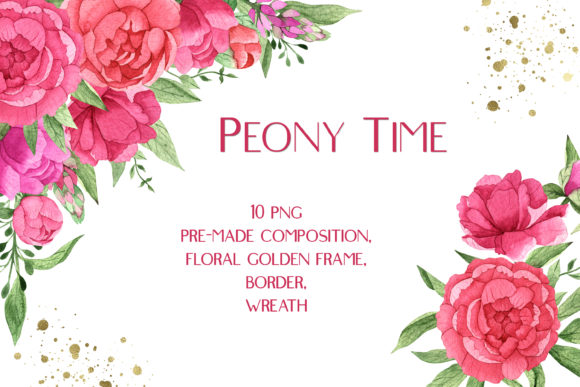
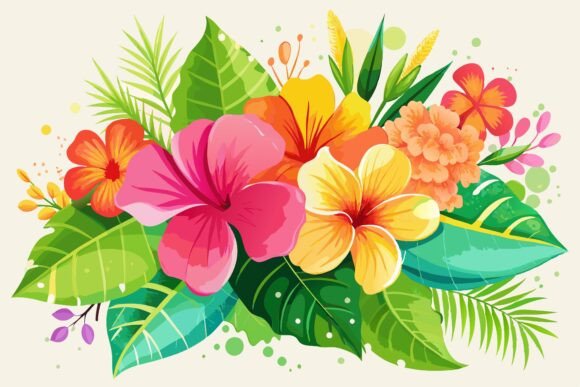
Imagine the lush, vibrant energy of a tropical paradise captured in a single design element. That's the essence of a high-quality Watercolor Tropical Floral Illustration. It's more than just a pretty picture; it's a versatile design asset that brings an immediate sense of warmth, exotic beauty, and organic sophistication to any project. Think of those bold and bright watercolor tropical flowers—hibiscus and plumeria—rendered with flowing brushstrokes, complemented by lush green leaves and dynamic splashes of pink, orange, and yellow. This style forms a vibrant corner border that can frame content, highlight key information, or simply add a burst of life to a flat design.
Understanding the Visual Appeal and Personality
The charm of this particular tropical floral illustration lies in its balanced chaos. It's a curated explosion of color and form. The watercolor medium provides a soft, organic texture that feels handcrafted and authentic, instantly elevating a design beyond sterile digital graphics. The bold colors ensure it makes a statement, while the natural flow of the paint and botanical forms adds a layer of elegance and artistry. This isn't a minimalist line drawing; it's a celebration of abundance and life. The personality it conveys is joyful, confident, and welcoming, making it an ideal choice for brands and projects that want to feel approachable yet polished.
Where This Tropical Design Element Truly Shines
Knowing where to deploy a Watercolor Tropical Floral Illustration is key to maximizing its impact. Its applications are broad, but it excels in contexts that benefit from a touch of nature, luxury, or celebratory flair.
- Branding & Marketing: For businesses in hospitality, wellness, beauty, or lifestyle, this illustration can become a cornerstone of a brand identity. Use it on business cards, letterheads, and website headers to establish an inviting, premium feel. It’s particularly effective for logo design when used as a decorative element surrounding a logotype, not as the logo itself.
- Publishing & Editorial Design: Book covers for romance, travel, or cookbooks, magazine feature headers, and chapter title pages can be transformed. The illustration acts as a powerful visual hook, setting the mood before the reader dives into the text.
- Packaging Design: Products like artisanal soaps, gourmet teas, scented candles, or summer beverages can leverage this exotic floral design to stand out on shelves. It communicates natural ingredients, luxury, and a sensory experience.
- Events & Stationery: This is a natural fit for tropical wedding clipart, invitations, save-the-dates, and party decorations. The vibrant summer border sets a festive, joyful tone for any celebration.
- Digital & Social Media: Create stunning social media graphics, blog post featured images, Pinterest pins, and YouTube thumbnails. The bold colors are thumb-stopping in a crowded feed, and the watercolor tropical frame can beautifully contain quotes, announcements, or sale information.
- Personal & Craft Projects: For hobbyists and crafters, the included EPS file is a game-changer. Use it for scrapbooking, custom wall art, T-shirt designs, or handmade greeting cards. The editable vector nature means you can scale, recolor, and modify elements to perfectly suit your vision.
Practical Guidance for Using This Illustration Effectively
Integrating a complex, colorful element like a watercolor hibiscus corner requires some thoughtful execution to maintain visual hierarchy and professionalism.
- Choose the Right Format: The provided EPS file is your most valuable asset. As an editable vector, it allows for infinite scaling without quality loss, making it suitable for everything from a small web icon to a large printed banner. The JPG is perfect for quick use in digital projects where editing isn't required.
- Evaluate Project Fit: Does the project's core message align with the illustration's personality? A bold floral border might overwhelm a minimalist tech startup's branding but would be perfect for a florist, a travel blog, or a summer festival poster. Always let the project's goals dictate the design elements.
- Master the Pairing: The illustration is the star, so pair it with clean, simple typography. A sturdy sans serif font for body text provides excellent readability and contrast. For headlines, a elegant serif font or a complementary script font can work, but ensure it doesn't compete for attention. The goal is harmony, not a fight for dominance.
- Consider Readability and Hierarchy: When using the tropical corner border to frame text, ensure there is sufficient contrast and padding. Place text on a solid, muted color block within the frame or use the illustration on the periphery to guide the eye toward the central content. The lush green leaves and darker tones can sometimes serve as a subtle background for lighter text, but always test for legibility.
- Understand the License: For commercial use, always verify the license of your design assets. A clear commercial license allows you to use the tropical watercolor elements in client work, on products for sale, and across marketing materials without legal concern. This is crucial for small business owners and professional designers.
In practice, a Watercolor Tropical Floral Illustration like this works best when it has room to breathe. Crowding it with other busy graphics or patterns will dilute its effect. Use it as a strategic accent—a vibrant flower border on a newsletter, a tropical floral frame for a product photo, or a colorful tropical flowers splash on a website's footer. When used with intention, it becomes more than decoration; it becomes a powerful storytelling tool that communicates mood, quality, and a distinct point of view, making your project memorable and engaging.